
Growing guide
How to grow french beans in Ireland
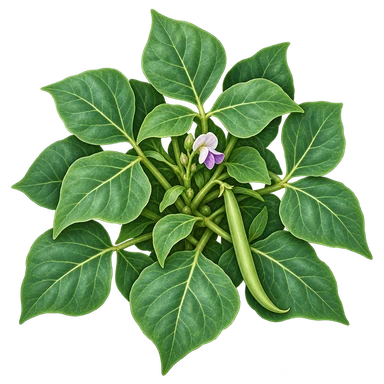
French beans reward a warm, sheltered spot with tender pods that need little preparation in the kitchen. Cold soil is their main stumbling block in an Irish spring. Choose compact dwarf plants for a small patch, or climbing varieties if you can provide tall supports. These are different growing habits, not different stages of the same plant.
On this page
At a glance
- Start with
- Seed or young plants; supports for climbing varieties
- Best position
- Warm, sunny and sheltered, with freely draining soil
When and where to start
Indoor sowing. Start one seed per pot around mid-April if you can keep the plants frost-free and in good light afterwards. A protected start is useful, but only if safe planting conditions will follow.
Direct sowing. May to June is Teagasc’s outdoor window. Wait for soil around 10–12 °C and for local frost risk to pass; colder and exposed gardens may need longer.
Planting out. Harden off pot-raised plants gradually before moving them outside: put them out during mild days and bring them back under cover at night. Plant while still young, around 8 cm tall, without breaking the rootball.
Planting and spacing
For dwarf beans in outdoor drills, Teagasc gives 5 cm sowing depth, 5–10 cm between seeds and 45 cm between rows. Leave enough room to reach the pods without standing on the soil.
Climbing beans need a different layout. Under protection, Teagasc describes paired rows 60 cm apart, plants 25–30 cm apart, and 1.5 m paths between row pairs. This is a greenhouse training method, not a universal outdoor spacing.
Put secure climbing supports in place first. Start plants individually in small pots if using transplants; do not leave them waiting in cramped pots long after they are ready.
Routine care
Guide climbing stems onto their canes or strings as they grow. Dwarf plants do not need the tall overhead training used for climbing crops.
Keep the root zone supplied with water during dry spells, without leaving seedling compost saturated. Check plants often during cool weather: fleece can soften a cold spell but is not a substitute for safe planting conditions.
What to watch for
Look for slug damage on seedlings and black bean aphids on soft growth. Examine affected leaves and roots before diagnosing halo blight or root rot; weak growth by itself is not a diagnosis.
Harvest and storage
Pick green pods every two or three days while tender, before the seeds become prominent. Teagasc estimates about nine to ten weeks from sowing for the outdoor crop, but warmth and variety change the pace.
Pick close to use. Regular small pickings are easier to use than a glut of overmature pods. Shelling and dried beans are separate harvest stages; never eat raw shelling beans and use suitable thorough cooking instructions.
Common questions
Do dwarf and climbing plants crop in the same way?
Both can supply green pods, but climbing plants need tall supports and a different planting layout. Choose the habit to fit your space before buying seed.
Do French beans need bees?
They normally self-pollinate readily. This differs from the runner-bean flower mechanism, which benefits from visiting bees.
Can fleece make an early outdoor sowing safe?
Not on its own. The soil still needs to be warm enough for germination, and tender seedlings must be protected from frost.