

Growing guide
How to grow lettuce in Ireland
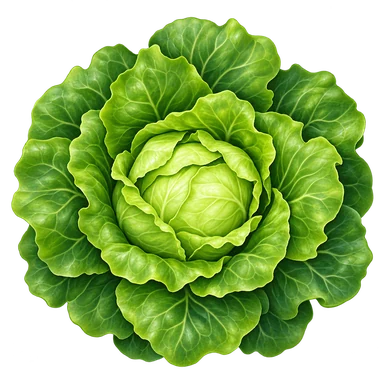
Lettuce works best in small batches that match your appetite. Butterhead, iceberg and cos form heads; loose-leaved types offer a different shape and picking style. The challenge is keeping a supply without a glut of mature plants. Modules are convenient for a first attempt, but suitable types can also be direct-sown. No single calendar suits every variety.
On this page
At a glance
- Start with
- Seasonally suitable heading or loose-leaf seed or young plants
- Best position
- Fertile, moisture-retentive soil with drainage
When and where to start
Indoor sowing. Spring modules are a useful start. Suitable iceberg is sown February to the third week of July; butterhead March to mid-August.
Direct sowing. Compact cos such as Little Gem can be direct-sown March to mid-July. Suitable leafy types also use direct sowing.
Planting out. Iceberg is generally planted April to early August, three to five weeks after sowing. Other types follow their own variety instructions and development; do not bury a small plant to meet a date.
Planting and spacing
Sow a small batch, then begin another when the previous seedlings emerge for continuity. Label types and seasons.
Set modules level with or slightly above the surface, not buried. Deep planting increases rot risk around the base.
Use 30 cm square for butterhead, 35 × 30 cm for iceberg and about 23 cm square for compact Little Gem cos. These are separate methods, not figures to average.
Routine care
Water during dry weather. Check the soil around roots rather than relying on a damp-looking surface. Rich moisture-retentive ground helps, but must still drain.
Keep sowing conditions suitable: iceberg germinates best around 15–21 °C; above about 27 °C, heat can induce dormancy.
Remove weeds early and maintain access. Crowding hides slugs and damp bases; it does not solve insufficient space for too many plants.
What to watch for
Inspect for slugs around seedlings and aphids hidden inside hearts, especially after damp weather.
Remove rotting plants and review depth, drainage and crowding rather than automatically feeding more. Mature lettuce also deteriorates when picking is delayed.
Harvest and storage
Cut heading types when the heart is ready. Suitable loose-leaf varieties can give young leaves or a whole-plant cut; match picking to the type.
Pick close to mealtime. The storage section describes lettuce as perishable and suitable for refrigeration when needed, not dry storage. Small batches are more useful than leaving a large mature crop untouched.
Common questions
Why sow frequently?
Mature lettuce does not hold indefinitely. Small repeat sowings reduce gluts.
Can every variety be picked leaf by leaf?
Loose-leaf types suit that approach best. Heading varieties are normally grown for their heart.
Why did summer seed fail?
Excessive heat can inhibit germination, especially iceberg. Use a cooler sowing position and an appropriate variety.